


September Meeting Recap: All About Bees
written by Yvonne Malone

Cindy Brasic is a dedicated local beekeeper who maintains backyard hives, supplying raw, unfiltered local honey while advocating for pollinator health in the area. Cindy is passionate about natural remedies, environmental sustainability, gardening and living in harmony with the body’s needs. She began C Bee's Honey in early 2025 after completing a beekeeping class through the Illinois Bee Rescue. She now has two hives in her backyard. In her presentation at Greener Grove’s September meeting, Cindy discussed beekeeping, the importance of bees to our environment and food supply, and the benefits of local honey to our health.
Bees are Critical to Our Food Supply
Cindy shared that ⅓ of the foods we eat depend on bee pollination. She shared several examples of the impact of a healthy bee population on farm production:
A farmer in Elburn saw a 30% increase in pumpkin and watermelon production when additional hives were brought to his farm.
The California almond industry produces approximately 80% of the world’s almonds. Each almond requires bee pollination. Each February, approximately 2 million hives arrive in California to pollinate the almonds - this represents about 70% of all U.S. commercial bee colonies.
Colony Collapse and the Honey Crisis
Since 2006 when Colony Collapse Disorder (CCD) was first documented, Cindy stated that the number of colonies have continued to fall. Causes for this collapse include pesticide use (in particular, neonicotinoids), Varroa mites, habitat loss, pathogens, and climate change. Since the 1970s, U.S. honey production has dropped about 50%. The majority of honey consumed in the U.S. is now imported.
When purchasing honey…
It is important to be aware that studies have shown that as much as 76% of honey sold in U.S. grocery stores is adulterated or overly processed - this includes honey that may be diluted, ultra-filtered, or otherwise altered. For example, some honey may include sweeteners like corn, cane, rice, or sugar-beet syrups.
To find a trusted source for honey, connect with local beekeepers through farmers markets and shops that feature locally sourced foods. Look for labels that say raw, unfiltered, single-origin honey with pollen intact. Also notice if the label includes a certification like True Source Certified or USDA Organic - or is labeled with “local beekeeper direct”. Your purchases also help beekeepers to maintain and expand their hives.
Honey is Beneficial to Your Health
Cindy highlighted the health benefits of honey…

source Cindy Brasic
Honey Varietals
We concluded the evening by sampling different honey varietals.
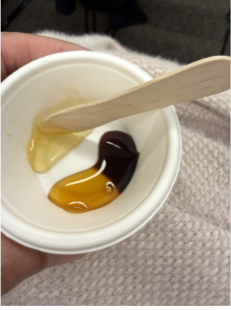
The taste and color of honey is impacted by the nectar source surrounding the hive. For example, nectar from orange blossoms tends to be more sweet and light colored compared to nectar from buckwheat which is dark and more earthy tasting. So, each geographic area where bees forage - whether they are several miles apart or thousands of miles - can yield a totally different taste and color. Other factors that play into the honey’s taste are local climate conditions like rainfall and temperatures throughout the season.

Learn More
Illinois Bee Rescue - Follow this organization on Facebook to learn more and connect with local beekeepers. They also offer beekeeping classes.
Follow Cindy on Instagram to learn more about her beekeeping experiences and business - @cbees_honey
Check local ordinances to find out if your community allows residents to keep backyard hives.
If you are interested in learning the ins/outs of beekeeping, Cindy suggests finding a mentor. Each beekeeper will have their own methods; finding a mentor will help you to get started without feeling overwhelmed.
Take Action
Cindy concluded her presentation with several steps we can take in our yards and community garden plots:
Plant pollinator gardens - Plant a succession of native flowers that bloom from spring through fall to ensure bees have a continuous food source. (See our July 2025 Meeting Recap “Creating an Environmentally Friendly Yard” blog post here.)
Provide water sources - Place a shallow dish with pebbles in it to provide bees with safe water access; change out the water every 2-3 days to prevent mosquito breeding and to keep the water fresh.
Leave wild spaces - Hollow stems and bare soil areas provide a nesting habitat for 90% of bee species (solitary bees, not honeybees).
Go pesticide-free - Cindy suggested using neem oil or companion planting. (Also see our May 2026 Meeting Recap “Natural Lawn Care 101” here.)
Buy local and raw honey to support your local beekeepers. They are often at local farmers markets.
Spread the word - Share the importance of buying local honey and supporting bees in your area with your network.
Comments